How Hot Weather Affects Tyre Pressure
Many of us start worrying about our tyres when the cold weather hits, but fluctuating temperatures at any time of year can alter the air pressure in your car’s tyres. In turn, this can affect your vehicle's road holding, steering performance, braking distance, all-round safety, and fuel economy. Plus, it will impact how long your tyres will last and remain in good condition.
So, keeping an eye on your tyre pressure during warmer weather is key to driving on safe tyres. In this guide, we’ll explain what to look out for, and how you can keep your tyres at their best in the heat.
Changing temperatures and tyre pressure
Tyres essentially consist of pressurised air inside a tube of reinforced rubber. Like any gas, this air will expand at higher temperatures and contract in colder temperatures, raising or lowering the pressure of your tyres.
Other factors can also affect your tyre pressure, such as friction from the road surface generating heat, but the main cause of changing tyre pressure is the ambient temperature—in other words, the weather.
But how much difference does the weather make? As a rule of thumb, every 10°C rise or fall in temperature affects a tyre’s pressure by between 1 and 2 PSI. So, the change in your tyre pressure from summer to winter can be up to a 15% difference - that's enough to affect the way your tyres and vehicle perform.
Does hot weather affect tyre pressure?
Friction and resistance cause a build-up of heat inside car tyres. The warming effect of the weather then adds further pressure.
However, most tyres are engineered with built-in air pressure tolerances. Unless conditions are very extreme, you should be able to drive in hot weather without changing the tyre pressure, as long as you keep an eye on it and watch out for signs of overheating.
Bear in mind that the tyre pressure recommended by the vehicle manufacturer is set for cold conditions, so tyres should always be inflated in the shade, and never while the vehicle is still warm from driving.
How to spot an overheated tyre
The dark colour and materials of your tyres make them very good at absorbing heat, so if they're hot to the touch, they’re close to overheating. If that’s the case, it’s time to stop driving and let your tyres cool down.
The hotter the tyre, the higher the pressure, so letting some air out may seem like a good way of dealing with overheated tyres. However, doing this could result in underinflated tyres when their temperature returns to normal.
What are the risks of overinflated tyres?
When your tyre pressure is too high, it can significantly increase the risk of a blowout. It can also reduce your traction since less of the tread is in contact with the road. This will make your handling less responsive, and your journeys less safe. Check out our guide to over-inflated tyres for a more in-depth look into the effects.
Check your tyre pressure regularly
We recommend monthly tyre pressure checks in all weather conditions, even if you're doing little or no driving. As well as reinflating as required, take this time to check over the tyres for any damage. That way, you’ll be aware of any problems before they become serious, or even dangerous. You'll find our simple guide to inflating tyres here.
What about the tyre pressure monitoring system?
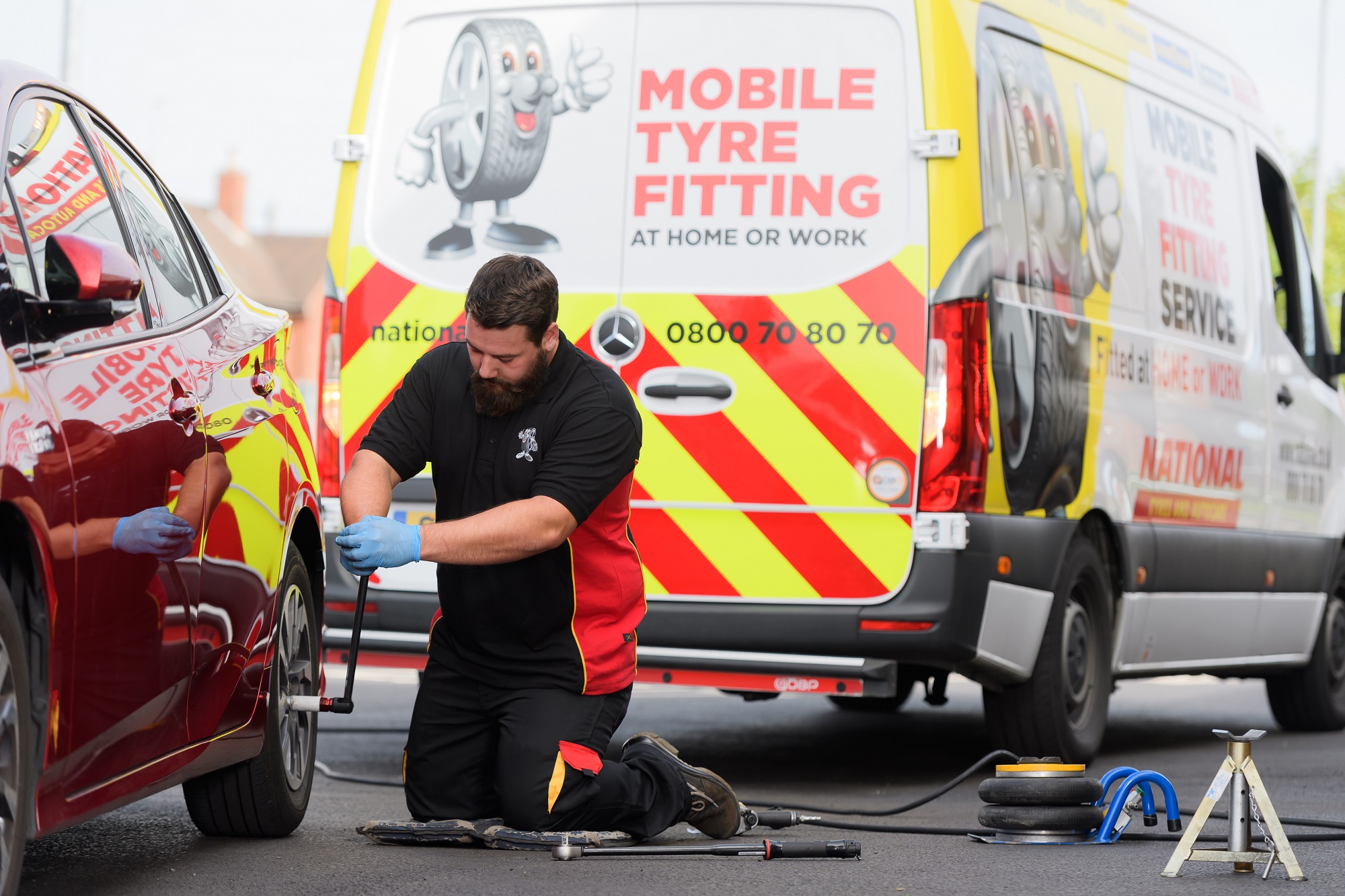
Most modern vehicles will have a built-in tyre pressure monitoring system (TPMS). Using sensors in all four tyres, the system will give you a visual or audible warning if the pressure is too low. TPMS is not always completely reliable, and it won't alert you if the pressure is too high, so be sure to check your tyre pressure manually with a gauge as well. Better still, head to your nearest National Tyres and Autocare and we'll check it for you.
What are the risks of dangerous tyres?
Every year, dangerous tyres lead to around 5,000 convictions, 900 casualties, and 160 deaths or serious injuries. Not only that, but illegal tyres can actually end up costing you more than the price of a new set: you could face fines of up to £2500 and 3 points on your licence per illegal tyre, not to mention that if you're found to have illegal tyres in an accident, it can invalidate your insurance.
A free tyre check from National can make sure your four wheels are ready for the road. Book in now to stay safe on your journeys.
Book a Free Tyre Check
Want to know more about looking after your tyres? Check out our online tyre safety hub.
Did you enjoy this blog post? |
37 people found this review helpful














 Sign up for SPECIAL OFFERS