
Everything you need to know about EV tyres
There are an increasing number of electric vehicles, or EVs, on the roads. With the government committed to ending the sale of new cars powered solely by petrol and diesel from 2030, EVs are set to become increasingly common in the UK.
But what tyres should you put on an electric car? In this article, we’ll discuss what tyres you need for an EV, how they’re different to normal tyres, and where you can buy them online.
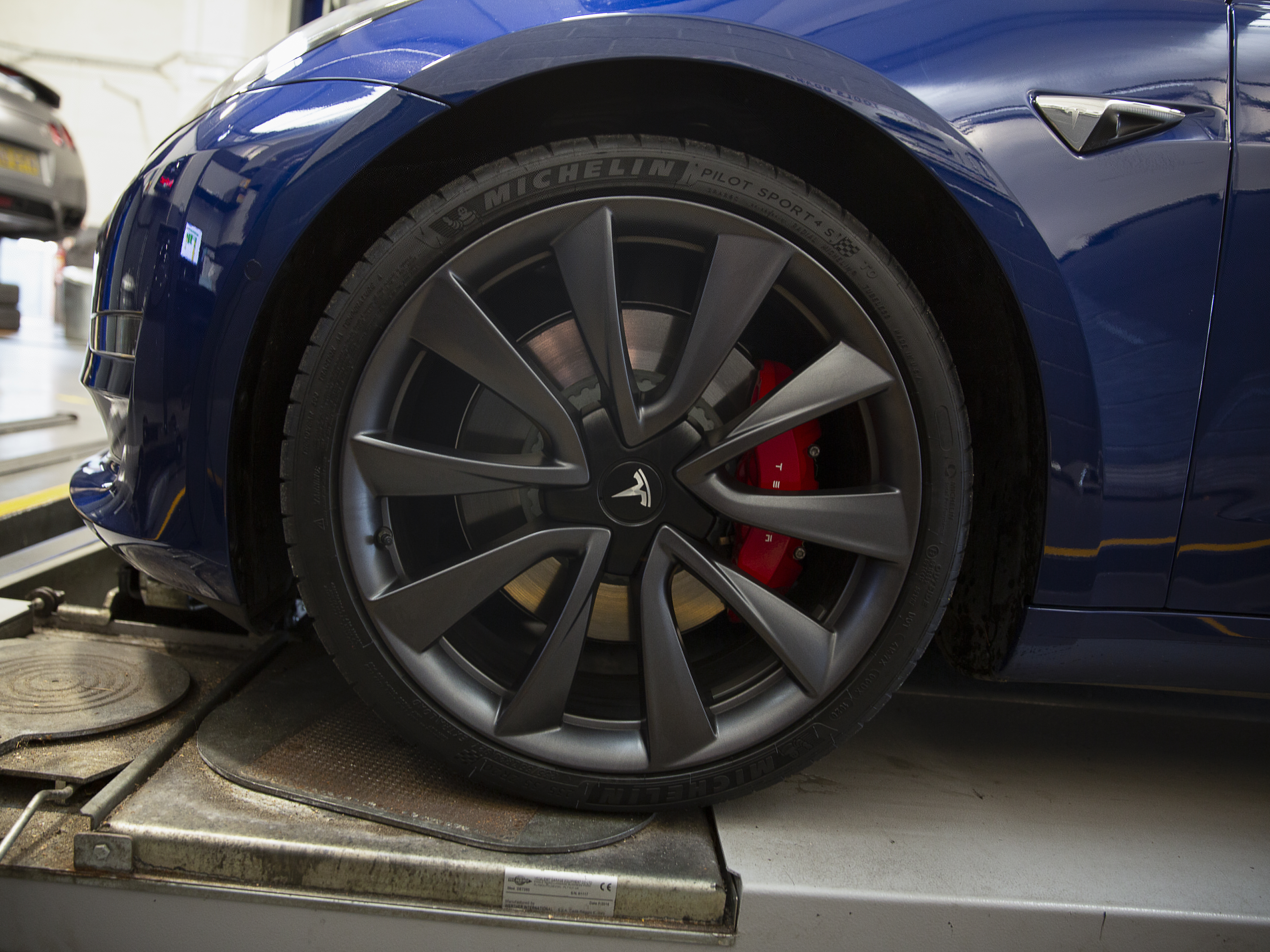
What are EV tyres?
EV tyres are designed to meet the specific demands of electric vehicles, such as their increased weight, instant torque and quieter operation. They may feature construction and compounds designed to support the vehicle's load, reduce rolling resistance and minimise road noise. However, not all EVs require a dedicated EV-specific tyre, so you should always consult your vehicle manufacturer's tyre specifications.
What should you look for when choosing EV tyres?
The best tyres for electric cars really depend on your vehicle and the features that are important to you. Alongside the necessary EV tyre requirements such as size and load capacity, consider the following features:
1. Rolling resistance: Lower EV tyre rolling resistance can help reduce energy consumption and maximise driving range.
2. Noise reduction: Tyre and road noise can become more noticeable in an EV due to their quieter powertrains. Some EV tyres use noise-reducing technology to enhance passenger comfort.
3. Torque and wear resistance: Instant torque can put greater demand and strain on your tyres during acceleration, so EV-specific tyres often use compounds designed to withstand this for durability.
Do EVs need different tyres?
No, not every EV needs a tyre specifically marked as an EV tyre. However, you must fit tyres that meet your vehicle manufacturer's specifications, including:
- The correct size.
- Load index.
- Speed rating.
Some EVs are designed for tyres with higher load capacity and lower rolling resistance, as electric vehicles are typically heavier and produce instant torque. Using a tyre that's unsuitable for your EV's load requirements can cause tyre deformation and excessive wear.
Do EV tyres affect range?
Tyres with low rolling resistance can help reduce energy consumption and therefore support driving range. However, tyre choice is only one factor that affects EV range. Other ways to maximise your EV's range include:
- Driving smoothly and avoiding harsh acceleration.
- Using regenerative braking.
- Pre-conditioning the cabin while your EV is charging.
- Planning journeys carefully.
- Driving without unnecessary weight or drag.
- Remaining under the speed limit.
- Keeping up with your EV's maintenance, including regular servicing.
Are EV tyres more expensive?
Electric vehicle tyres can be more expensive because they're designed to be durable, due to the added weight of the vehicle. They're also often larger tyres and engineered with special compounds and technologies to reduce rolling resistance and road noise.
However, price varies depending on the EV tyre brand, size, specification and vehicle. Choosing the right tyre isn't always about finding the cheapest option, but is also about helping your EV deliver the intended handling, efficiency and performance.
How long do EV tyres last?
There's no fixed lifespan for EV tyres. While the heavier weight and instant torque of an electric vehicle can place greater demands on the tyres, there are additional factors that contribute to faster wear, including:
- Vehicle specification and weight.
- Driving style.
- Tyre maintenance and pressure.
- Weather conditions.
Check your tyre pressures regularly and keep them at the vehicle manufacturer's recommended levels. Correct pressure can help reduce uneven tread wear and rolling resistance while supporting safe handling.
How to tell which tyres are suitable for your EV?
The easiest way to find the correct tyres for your electric car is to check your vehicle manufacturer's recommendations. Your vehicle handbook or tyre placard will provide the required size and pressure, while the tyre sidewall shows information such as the load index and speed rating.
Some tyres designed for EVs may also have specific marking or High Load (HL) markings, although there's no single universal EV tyre marking used across all manufacturers.
Can EV tyres be used on normal cars?
Some tyres designed for EVs can also be fitted to petrol, diesel or hybrid vehicles, provided they meet the manufacturer's specifications. However, features such as higher load capacity, reinforced construction or noise reduction may not be necessary for every conventional car. Always check the manufacturer's recommendation before fitting new tyres.
Where to buy EV tyres?
To find out more about EV tyres and purchase them for your vehicle, click the button below. With same-day tyre fitting available at your local National Tyres branch, as well as mobile tyre fitting service that can come to you, driving away on your new tyres couldn't be easier.
EV Tyres
If you're concerned about your existing EV tyres, book a Free Tyre Check today for expert reassurance and receive advice about any necessary puncture repairs or replacement tyres.
Did you enjoy this blog post? |
7 people found this review helpful


 Sign up for SPECIAL OFFERS